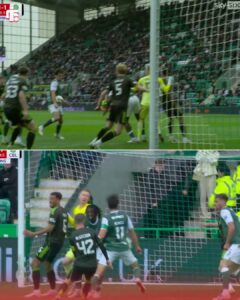
In a match already dominating football news headlines, VAR controversy debates, sports betting analysis platforms, and live match prediction trends, Celtic were left fuming despite grinding out a dramatic 2-1 victory over Hibernian at Easter Road.
What should have been a routine three points has instead exploded into one of the most controversial officiating discussions of the season, with major implications for the Scottish Premiership title race, VAR credibility, and referee accountability.
This fixture had everything modern football thrives on: high stakes, tactical intensity, controversial decisions, and massive implications for betting markets, fan engagement, and media narratives.
For Celtic, the victory keeps them firmly in the title race, but the manner in which the game unfolded has left lingering questions that continue to trend across football forums, YouTube analysis channels, and global sports media.
From the opening whistle, Celtic asserted dominance. Their high pressing system and aggressive attacking patterns immediately put Hibs under pressure, forcing early defensive errors and creating openings in dangerous areas. With Daizen Maeda leading the line with relentless energy, Celtic looked poised to take control of the game early.
The first major turning point came when Jamie McGrath was shown a red card following a VAR review for a high and dangerous challenge on Alistair Johnston.
The decision, while largely accepted, immediately shifted the dynamics of the match. Down to ten men, Hibernian were expected to sit deep, absorb pressure, and limit damage, a scenario heavily reflected in live odds swings and in-play betting markets.
With a numerical advantage, Celtic intensified their attacking efforts. Yang Hyun-Jun showcased quick feet and intelligent movement, linking up effectively with Benjamin Nygren. One such move nearly resulted in the opener, but Rocky Bushiri produced a crucial block to deny a clear scoring opportunity.
Celtic continued to pile on the pressure, and another golden opportunity fell to Maeda after a precise pass from Callum McGregor.
However, the Japanese forward blazed his effort over the bar, a miss that analysts later described as a high expected-goals moment, sparking discussion across football analytics platforms and performance review segments.
The breakthrough finally arrived just before half-time, but not without controversy. Johnston delivered a dangerous ball into the box, causing chaos in the Hibs defense. Maeda reacted quickest, tapping the ball home from close range.
The assistant referee initially flagged for offside, halting celebrations, but after a tense VAR review, the decision was overturned and the goal was awarded.
This moment alone triggered massive engagement across VAR debate forums, with fans and pundits dissecting the decision frame by frame. While the goal ultimately stood, it set the tone for what would become an even more controversial sequence of events.
Despite being reduced to ten men, Hibernian showed remarkable resilience. Their defensive structure tightened, and they began to frustrate Celtic’s attacking rhythm. Then, against the run of play, came the moment that would ignite widespread outrage.
From a set-piece situation, the ball ricocheted inside the penalty area, leading to a scramble. Amid the chaos, Joe Newell reacted quickest to fire home the equaliser. However, replays immediately suggested a potential handball in the build-up phase.
Players from Celtic surrounded the referee, demanding a VAR review. After a lengthy check, the goal was astonishingly allowed to stand. This decision has since become one of the most talked-about VAR incidents of the season, trending across football controversy discussions, referee analysis podcasts, and social media platforms.

“That’s a handball. The player gained an advantage. The goal should not stand.”
That verdict, delivered by former officials on a referee analysis podcast, has only intensified scrutiny on VAR standards and officiating consistency.
The incident is now being widely referenced in broader discussions about VAR integrity, transparency, and the need for improved decision-making protocols in elite football.
As the second half began, Celtic attempted to reassert control. Their possession dominance remained, but breaking down a compact and disciplined Hibs defense proved difficult. With ten men behind the ball, Hibernian limited space effectively, forcing Celtic into low-percentage shots and speculative attempts.
Tactical adjustments became crucial. Celtic introduced fresh legs and altered their attacking shape, seeking to stretch the Hibs defense and create gaps.
The pressure continued to build, and the sense of inevitability grew as the game entered its final stages.
The decisive moment came when Kelechi Iheanacho made his impact from the bench. Demonstrating composure and clinical finishing, he controlled the ball expertly inside the box before slotting it into the corner with precision. The goal immediately went viral across highlight reels, football analysis videos, and global sports media platforms.
Even then, the drama was not over. Hibs continued to push forward, refusing to accept defeat. A late opportunity fell to Ante Šuto, who found space inside the penalty area. For a moment, it looked certain that he would equalise, but his effort drifted narrowly into the side netting.
That miss ultimately sealed the result, allowing Celtic to see out the game and secure a vital three points. However, the narrative surrounding the match has been dominated not by the result, but by the controversy.
From a broader perspective, this match highlights the ongoing challenges facing VAR implementation in modern football.
While the technology is designed to eliminate clear and obvious errors, incidents like this continue to fuel debate about subjectivity, consistency, and the human element in officiating.
For Celtic, the victory is crucial. It keeps them level at the top of the table and maintains momentum heading into a massive Old Firm clash.
However, questions remain about how such controversial decisions could impact the fairness of the title race, particularly in a season where margins are incredibly tight.
For Hibernian, the result is another frustrating chapter. Despite showing resilience and tactical discipline, their recurring issue with red cards has once again cost them dearly. Playing with ten men against a top side is always a challenge, and while they nearly secured a point, discipline ultimately proved decisive.
The implications extend beyond just this match. Betting markets, title odds, and predictive models are all influenced by such high-profile incidents. Controversial decisions can shift momentum, alter narratives, and even impact financial outcomes across the sports betting industry.
Fan reaction has been explosive. Social media platforms have been flooded with debates, analysis clips, and heated arguments about the legitimacy of the decisions made during the game. Hashtags related to VAR controversy, referee bias, and football integrity have trended globally, reflecting the widespread impact of the incident.
Looking ahead, all eyes will be on how governing bodies respond. Will there be an official review? Could this incident lead to changes in VAR protocols or increased transparency in decision-making? These questions are now central to the ongoing conversation within football governance.
As the season approaches its stages, every point matters. For Celtic, this win could prove decisive in the title race. For Hibs, it is a missed opportunity that could have significant consequences for their top-four ambitions.
One thing is certain: this match will not be forgotten anytime soon. It serves as yet another reminder that in modern football, the drama extends far beyond the pitch, with technology, officiating, and controversy playing an increasingly central role in shaping the game.
With the Old Firm derby looming, the stakes could not be higher. If this match is anything to go by, fans can expect more drama, more intensity, and perhaps even more controversy as the battle for the title reaches its climax.